1. PEOPLE: Protect Yourself & Loved Ones
Cold weather can worsen symptoms for those with chronic respiratory conditions like COPD, asthma, or sleep apnea1. Here’s how to stay safe2:
- Bundle Up Smartly: Wear layers and cover your nose and mouth with a scarf or mask to warm and humidify the air before breathing it in. Cold air can trigger bronchospasms and worsen COPD symptoms.
- Stay Hydrated: Dry winter air can dehydrate your airways, making mucus thicker and harder to clear. Drink 6–8 glasses of water daily unless otherwise directed by your provider.
- Prevent Illness: Flu and pneumonia can be dangerous for respiratory patients. Wash your hands often, avoid crowded spaces, and keep hand sanitizer handy. Ask your doctor about flu and pneumonia vaccines.
- Monitor Indoor Air Quality: Use a humidifier to maintain moisture in the air but clean it regularly to prevent mold growth. Consider an air purifier to reduce allergens and dust.
- Plan Ahead for Emergencies: Winter storms can cause power outages. Keep extra medications, oxygen supplies, and a backup power source ready.
2. PETS: Keep Them Warm & Safe
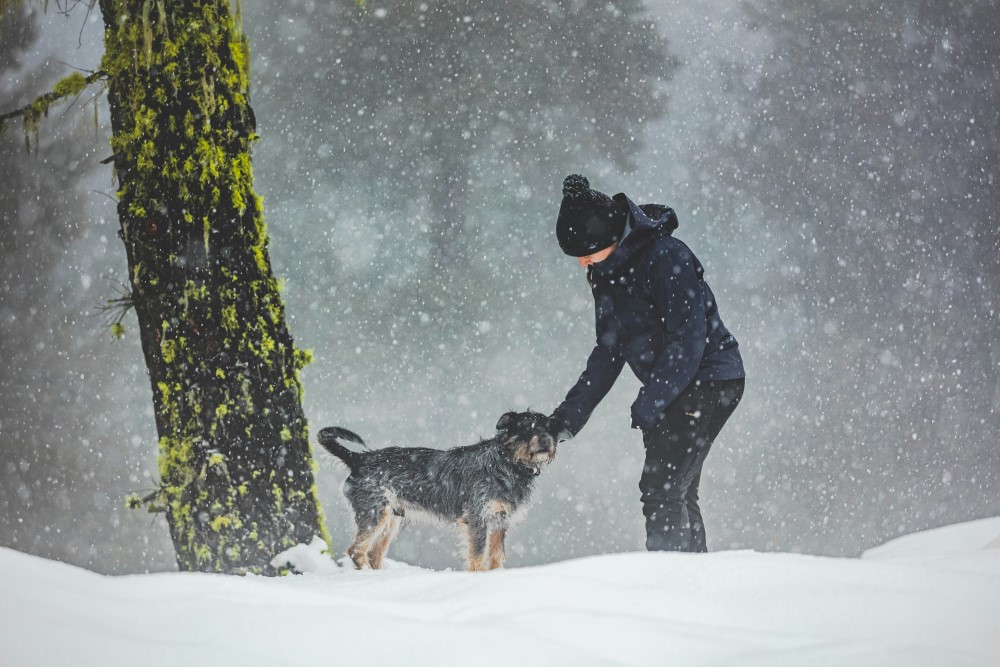
If it’s too cold for you, it’s too cold for your pets. Bring them indoors during freezing temperatures and ensure they have access to unfrozen water3. This protects their health and prevents added stress during winter storms. Also, avoid using space heaters near pets to prevent burns or accidents.
3. PIPES: Prevent Freezing & Damage
Frozen pipes can burst and cause costly damage. There may be some steps you can take to prevent this4:
- Insulate exposed pipes and disconnect garden hoses.
- Let faucets drip slightly during extreme cold to keep water moving.
- Open cabinet doors under sinks to allow warm air to circulate.
- Know where your main water shut-off valve is in case of emergencies.
4. PLANTS: Protect Your Greenery
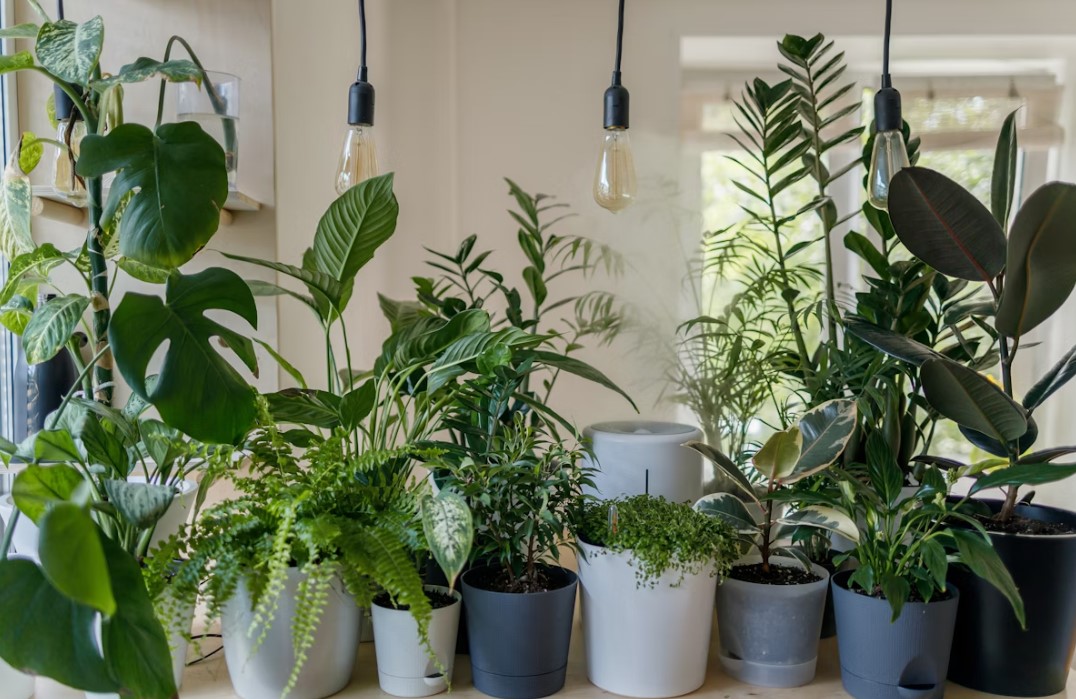
Cold snaps can kill sensitive plants. Bring potted plants indoors or cover outdoor plants with cloth for insulation. Healthy plants can help maintain indoor air quality, which is especially important for respiratory patients.
Extra Tips for Respiratory Health5
- Avoid Smoke and Strong Odors: Fireplaces and scented candles can irritate lungs. Use them sparingly and ensure proper ventilation.
- Check Your Equipment: If you use oxygen or CPAP therapy, inspect your equipment for wear and tear. Adjust humidifier settings to prevent dryness, if prescribed.
- Stay Active Indoors: Gentle exercise can help maintain lung function. Try stretching or light walking indoors when it’s too cold outside.
Winter can be challenging, but you don’t have to face it alone. At Lincare, we’re here to help you breathe easier and stay healthy all season long. From oxygen therapy and CPAP support to professional guidance on managing respiratory conditions, our team is committed to you. If you have questions or need assistance, contact your local Lincare center today and let us provide the care and resources you deserve.
Disclaimer: The content on this blog is for informational and educational purposes only and should not replace professional medical advice, diagnosis, or treatment. Always consult your healthcare provider for guidance on your specific health needs.
1. https://www.mayoclinichealthsystem.org/hometown-health/speaking-of-health/is-the-extreme-cold-bad-for-your-lungs#
2. https://www.franciscanhealth.org/community/blog/protecting-lungs-winter/
3. https://www.redcross.org/local/pennsylvania/southeastern-pennsylvania/about-us/news-and-events/news/winter-pet-safety.html
4. https://www.redcross.org/get-help/how-to-prepare-for-emergencies/types-of-emergencies/winter-storm/frozen-pipes.html
5. https://www.lung.org/lung-health-diseases/lung-procedures-and-tests/oxygen-therapy/using-oxygen-safely