Spring is a season of renewal;renewal, bringing warmer weather, longer days, and gardens bursting into life. For many people, gardening is a therapeutic, grounding hobby that can help promote mental and physical wellbeing. However, for individuals with chronic lung disease, such as COPD, asthma, pulmonary fibrosis, or bronchiectasis, spring also brings unique challenges1. Pollen spikes, mold growth, fluctuating temperatures, and even soil‑related bacteria can trigger symptoms or may lead to serious infections2.
This informational guide provides tips to help you enjoy gardening safely this spring while protecting your respiratory health.
Why Gardening Can Be Beneficial
Gardening may offer mood‑boosting and therapeutic benefits that are especially valuable for people with chronic conditions. Spending time in nature may also reduce depression and anxiety while providing gentle physical activity that you can tailor to your energy level3.
Therapeutic horticulture has also been shown to improve lung capacity through low‑impact movement and to reduce stress, which commonly accompanies chronic respiratory diseases4.
Spring Respiratory Risks
Pollen: Spring pollen counts increase significantly and are known to worsen COPD, asthma, and related conditions. In people with COPD, pollen can trigger airway inflammation, bronchoconstriction, and excess mucus production, leading to flare‑ups5.
Mold and Fungus in Soil and Compost: Turning soil and handling compost can release mold spores, especially Aspergillus, a fungus associated with Allergic Broncho‑Pulmonary Aspergillosis (ABPA) and other respiratory complications6. Gardeners with lung disease have reported infections linked to compost exposure.
Seasonal Weather Changes: Erratic spring weather, including rapid drops in temperature or sudden humidity shifts, may trigger breathlessness and COPD exacerbations.
Practical Spring Gardening Safety Tips
- Monitor Air Quality and Pollen Levels7
- Check pollen forecasts and avoid outdoor gardening when levels are high.
- If you have COPD, avoid outdoor exposure when the Air Quality Index is 100 or above.
- Plan gardening earlier in the day when air quality tends to be better.
- Wear Respiratory Protection
- Use a well‑fitting mask (e.g., N95) when working with soil, turning compost, or gardening on high‑pollen days.
- Masks reduce exposure to pollen, mold, fungus, and airborne dust; all common triggers for lung disease flare‑ups.
- Handle Soil and Potting Mix Safely
- Open potting mix bags slowly and away from your face. Using scissors reduces dust release.
- Gently dampen soil before working with it to reduce airborne particles.
- Always wear gloves and wash your hands thoroughly afterward.
- Reduce Exposure to Mold and Spores
- Avoid turning compost on windy days.
- If possible, ask someone else to handle heavy soil disturbance.
- Remember that mold spores can exacerbate COPD and other lung diseases.
- Protect Yourself from Allergens8
- Keep home and car windows closed to prevent pollen from entering indoor spaces.
- Change clothes and shower after being outdoors to remove pollen from skin and hair.
- Use HEPA air purifiers indoors to trap allergens.
- Avoid Strong Fragrances and Irritants
- Fresh‑cut grass, smoke, grills, and heavily scented flowers or candles can irritate the lungs and trigger symptoms. Avoid exposure when possible9.
- Stay Hydrated and Pace Yourself
- Gentle activity like gardening may be beneficial but take frequent breaks and avoid overexertion. Breathing exercises such as pursed‑lip breathing can help reduce shortness of breath.
- Maintain Indoor Air Quality
- Replace HVAC filters regularly.
- Keep windows closed during peak allergy season.
- Vacuum and dust often to limit indoor allergens.
Choosing Respiratory‑Friendly Gardening Methods
- Raised beds: Reduce bending and minimize soil disturbance.
- Container gardening: Lets you work at a comfortable height and maintain cleaner soil conditions.
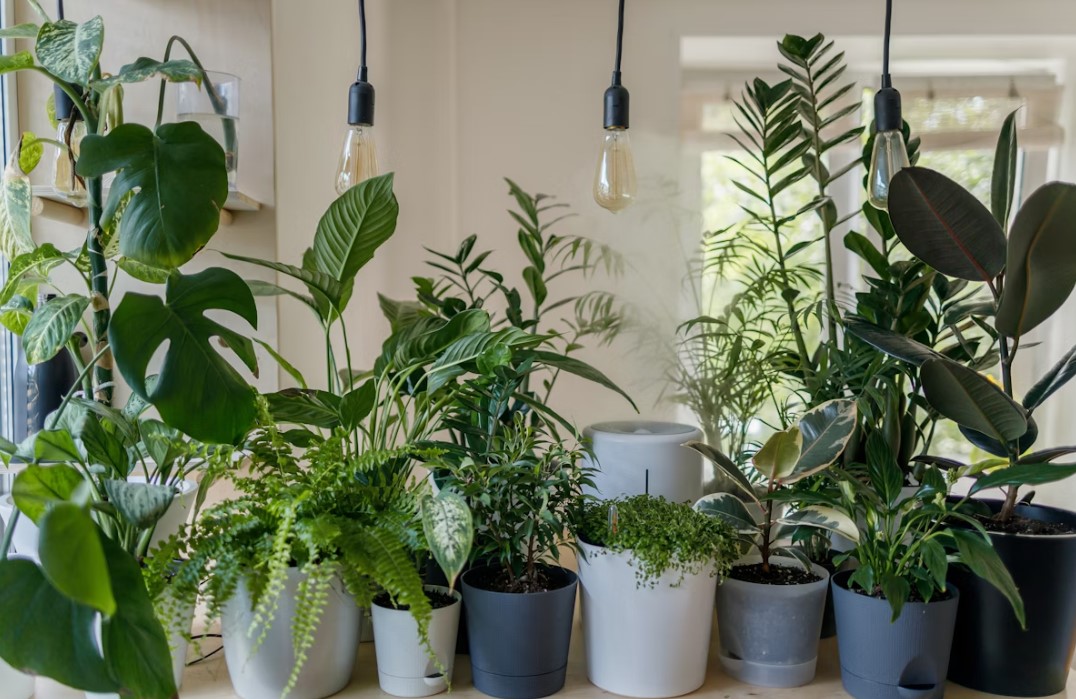
- Indoor gardening or greenhouse setups: Reduce exposure to outdoor pollutants, pollen, and humidity swings. Controlled environments with HEPA filtration can be especially helpful.
When to Seek Medical Care
If you experience any of the following after gardening, contact a healthcare provider immediately10:
- Fever, chills, cough, or shortness of breath
- Increased wheezing, chest tightness, or mucus changes (possible COPD flare‑up)
- Worsening breathlessness, severe fatigue, or symptoms that don’t improve with usual medications.
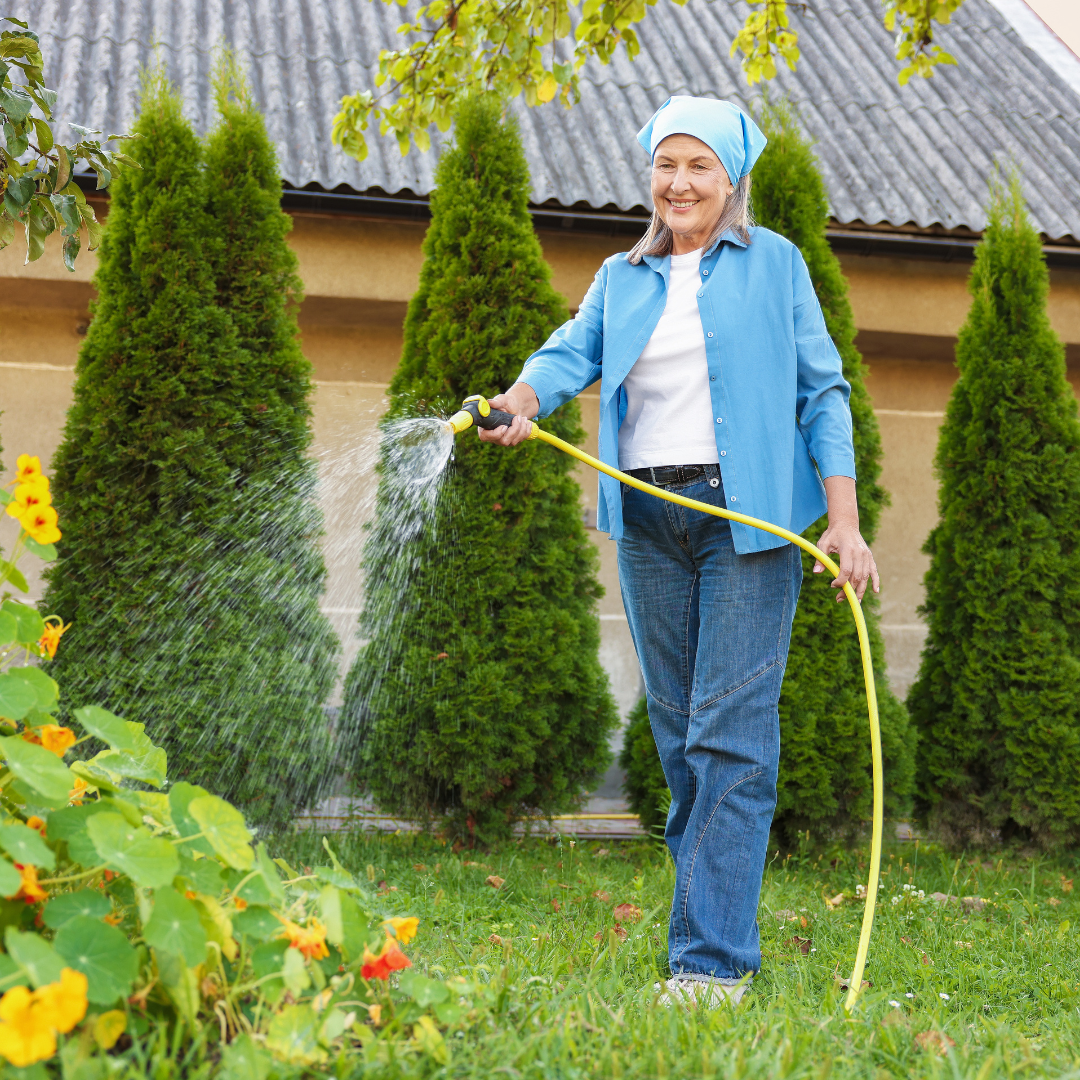
Gardening can be a deeply rewarding and therapeutic activity, even for people living with respiratory conditions. With the right precautions, awareness of environmental risks, and protective strategies, you can enjoy the beauty of spring while keeping your lungs safe. Whether you cultivate a backyard garden, maintain potted plants on a patio, or nurture greenery indoors, make choices that support your respiratory health and help you breathe easier this season.
Disclaimer: The content on this blog is for informational and educational purposes only and should not replace professional medical advice, diagnosis, or treatment. Always consult your healthcare provider for guidance on your specific health needs.
1. https://www.thelungdocs.com/blog/how-spring-changes-affect-your-lung-health/
2. https://www.lung.org/research/sota/health-risks/
3. https://www.thrive.org.uk/get-gardening/gardening-with-a-lung-condition/
4. https://www.ozbreed.com.au/therapeutic-horticulture-and-physical-disabilities/
5. https://biologyinsights.com/how-pollen-affects-people-with-copd/
6. https://www.infectiousdiseaseadvisor.com/news/risk-for-triazole-resistant-aspergillosis-from-composting-other-gardening-activities/
7. https://www.thrive.org.uk/get-gardening/gardening-with-a-lung-condition/
8. https://biologyinsights.com/how-pollen-affects-people-with-copd/
9. https://www.allergicliving.com/2014/01/13/fragrance-sensitivity-hard-to-breathe-tough-to-touch/
10. https://health.clevelandclinic.org/copd-exacerbation/