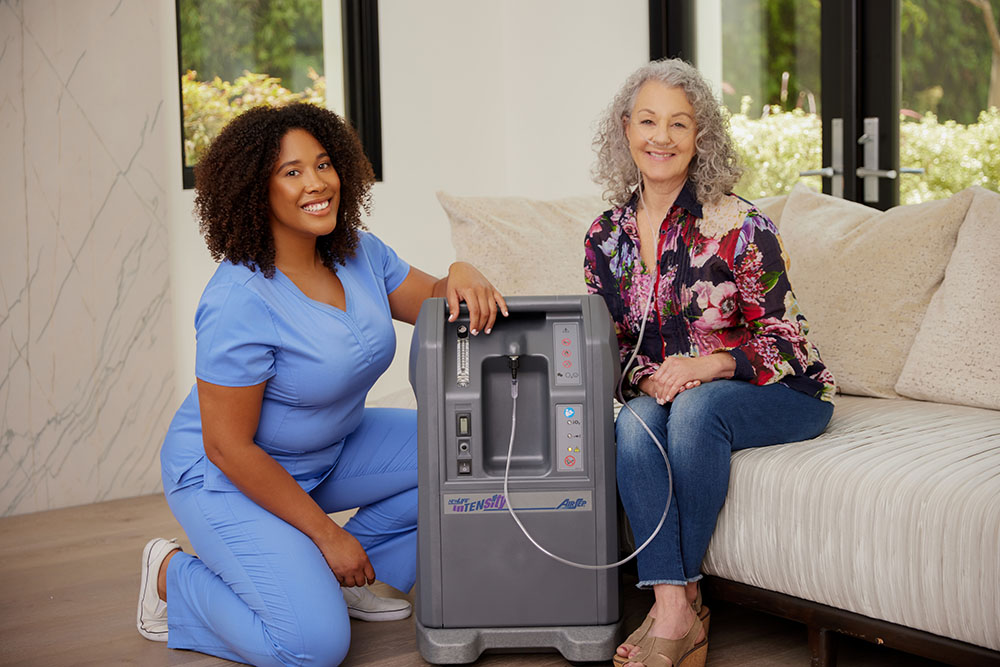
Managing a chronic disease is rarely a journey that can be navigated alone. Conditions such as chronic obstructive pulmonary disease (COPD), sleep apnea, congestive heart failure (CHF), diabetes, and mobility-limiting disorders often require ongoing prescribed treatment, regular monitoring, patient education, and specialized medical equipment. Durable Medical Equipment (DME) providers play a critical role in helping patients manage these conditions safely and effectively at home.
As healthcare continues to shift beyond hospital walls, DME providers have become essential advocates in working to improve healthcare outcomes, supporting adherence to prescribed therapy and helping patients maintain their independence.
What is a DME Provider?
Durable Medical Equipment (DME) providers supply medically necessary equipment designed for repeated use in the home setting. This may include:
- Oxygen concentrators and portable oxygen systems
- CPAP and BiPAP devices for sleep apnea
- Nebulizers
- Ventilators
- Mobility equipment such as walkers and wheelchairs
- Enteral nutrition supplies
- Home monitoring devices and related supplies
Beyond delivering equipment, leading DME providers offer patient education, clinical support, equipment setup, troubleshooting, and ongoing follow-up services to help patients successfully use their prescribed therapies when applicable. Lincare, for example, provides respiratory therapies, oxygen therapy services, sleep therapy support, disease management education, and digital patient resources that help individuals manage chronic conditions from home.
Supporting Patients Beyond Equipment Delivery
One of the most valuable contributions of DME providers is ongoing patient support. Receiving a diagnosis of a chronic illness can be overwhelming, especially when treatment may involve unfamiliar medical devices.
Many DME providers may help bridge this gap through education and coaching. Lincare's disease management programs, for example, focus on helping patients better understand their respiratory conditions, adhere to prescribed therapies, and become active participants in their own care. Services may include home visits, clinical education, respiratory assessments, follow-up therapy, and equipment management when prescribed.
Research has consistently shown that patient engagement and self-management support are important components of chronic disease care and can lead to improved outcomes and greater patient satisfaction.
Improving Therapy Adherence
Therapy only works when it is used correctly and consistently. Unfortunately, adherence can be challenging for patients managing complex treatment regimens.
DME providers help improve compliance by1:
- Teaching proper equipment use
- Providing replacement supplies
- Monitoring therapy progress
- Addressing equipment issues promptly
- Offering ongoing education and support
For patients with obstructive sleep apnea, regular support can help improve adherence to positive airway pressure (PAP) therapy. Similarly, patients receiving home oxygen therapy often benefit from education regarding equipment safety, mobility solutions, and proper oxygen use.
The American Thoracic Society recommends that patients receiving home oxygen therapy and their caregivers receive education on oxygen equipment and safety as part of comprehensive care2.
Reducing Hospitalizations & Readmissions
One of the primary goals of chronic disease management is preventing avoidable emergency department visits and hospital admissions3.
DME providers contribute to this goal by helping ensure patients have access to prescribed therapies, understand warning signs of disease progression, and receive appropriate follow-up support. Programs that combine care coordination, patient education, and disease monitoring have shown promise in reducing hospital readmissions among patients with chronic illnesses, particularly those with COPD and heart failure4.
The Centers for Medicare & Medicaid Services (CMS) notes that coordinated chronic care management can improve health outcomes, increase adherence to recommended therapies, and reduce hospitalizations and emergency department visits5.
Enabling Care in the Home
Healthcare leaders increasingly recognize that many chronic conditions can be managed effectively outside of traditional clinical settings. Home-based care offers patients greater comfort, convenience, and independence while reducing the burden of frequent facility visits.
DME providers are uniquely positioned to support this transition by delivering equipment directly to patients' homes, providing setup and training, and maintaining ongoing communication between patients, caregivers, and referring clinicians. Lincare's mission emphasizes helping people with chronic conditions remain engaged in life by supporting respiratory care and other therapies in the home environment.
This home-based approach can be especially important for patients with limited mobility, advanced respiratory disease, or multiple chronic conditions that make travel difficult6.
Promoting Better Health-Related Quality of Life
While clinical outcomes are important, chronic disease management is ultimately about helping people live fuller, healthier lives.
Patients who receive appropriate equipment, education, and support may experience:
- Greater independence
- Improved symptom control
- Increased confidence in managing their condition
- Better adherence to treatment plans
- Enhanced overall health-related quality of life
Lincare's disease management programs specifically identify quality-of-life improvement as a key objective, particularly for patients managing respiratory and cardiac conditions.
For eligible patients with severe resting hypoxemia due to COPD or interstitial lung disease, long-term oxygen therapy has been recommended by the American Thoracic Society because evidence demonstrates important clinical benefits in appropriately selected patients7.
DME in Chronic Disease Management
The role of DME providers continues to evolve as healthcare becomes more connected and patient centered. Digital patient portals, mobile applications, remote communication tools, and data-driven monitoring capabilities are expanding opportunities for engagement and support.
Providers like Lincare have introduced digital tools that allow patients to manage therapy-related tasks, access resources, communicate with support teams, and stay engaged in their treatment plans. These innovations help create a more connected care experience while supporting long-term disease management.
DME providers are far more than equipment suppliers. They serve as important supporters in chronic disease management by providing education, clinical support, therapy coordination, and ongoing patient engagement. Through these services, DME providers may help patients better manage chronic conditions, improve adherence to prescribed therapies, reduce avoidable healthcare utilization and maintain a higher health-related quality of life.
1. https://dmeofamericainc.com/blogs/news/how-dme-providers-can-improve-patient-care-efficiency
2. https://www.thoracic.org/patients/patient-resources/oxygen-therapy.php
3. https://www.cms.gov/priorities/innovation/files/x/tcpi-changepkgmod-edvisits.pdf
4. https://www.cdc.gov/pcd/issues/2024/24_0138.htm
5. https://www.cms.gov/priorities/health-equity/c2c/manage-your-chronic-condition
6. https://jamanetwork.com/journals/jama/article-abstract/2785737
7. https://academic.oup.com/ajrccm/article/202/10/e121/8495596