Sleep apnea is often misunderstood as simply a snoring problem, but it can be far more serious. This condition is known to cause repeated pauses in breathing during sleep, lowering oxygen levels and interrupting normal sleep cycles1. Over time, these disruptions can potentially affect nearly every system in the body, especially the heart.
There are two main types of sleep apnea:
- Obstructive Sleep Apnea (OSA): Caused by airway collapse during sleep.
- Central Sleep Apnea (CSA): Occurs when the brain fails to send proper breathing signals.
While many people think of sleep apnea as a nighttime problem, its impact extends far beyond poor sleep. Untreated sleep apnea can strain the cardiovascular system and increase the risk of serious heart conditions2. Alarmingly, many adults with sleep apnea remain undiagnosed, meaning these heart risks often go unnoticed.
How Sleep Apnea Strains Your Heart
When the airway collapses during OSA, oxygen levels drop repeatedly throughout the night3. Each apnea event triggers surges in stress hormones and abrupt changes in blood pressure, placing strain on the heart and blood vessels4. Over time, this chronic stress can lead to5:
- Persistent high blood pressure
- Structural changes in the heart
- Irregular heart rhythms
Think of it as running a marathon every night without training, your heart works harder than it should, and over time, this may lead to lasting damage.
Heart Conditions Linked to Untreated Sleep Apnea
The connection between sleep apnea and heart disease isn’t theoretical, it’s been proven through years of documented research. Untreated sleep apnea has been linked to6:
- Hypertension, including resistant forms that don’t respond well to medication.
- Coronary artery disease, raising the risk of heart attack.
- Heart failure, which can worsen in those already diagnosed.
- Stroke and mini-strokes, tied to low nighttime oxygen levels.
- Atrial fibrillation and other arrhythmias, which occur more often in people with untreated sleep apnea.
These aren’t rare complications; they’re common outcomes when sleep apnea goes untreated.
Who Is Most at Risk?
Sleep apnea can affect anyone, but certain groups face higher risks of developing sleep apnea and related heart complications7:
- Obesity
- Older age
- Male sex or postmenopausal status
- Alcohol use, smoking history, or family history
- Existing heart conditions such as hypertension, atrial fibrillation, or coronary artery disease
If you have these risk factors or symptoms like loud snoring, breathing pauses, or daytime fatigue, talk to your healthcare provider about screening for sleep apnea.
How Treating Sleep Apnea Can Help Your Heart
The good news? Treatment works. The primary treatment for OSA is Positive airway pressure (PAP) therapy, including CPAP or bilevel PAP devices. These therapies keep your airway open by delivering a steady stream of air while you sleep. This simple intervention may dramatically improve symptoms and reduce cardiovascular strain. Regular use of PAP therapy may help8:
- Improve daytime alertness
- Lower blood pressure
- Improve heart rhythm stability
- Reduce the risk of recurrent heart attacks or strokes
- Weight management
- Reduce strain on the cardiovascular system
Consistent use matters: Studies show CPAP can reduce the risk of recurrent heart attacks or strokes by up to 31%, but only when used for at least four hours per night9.
Learn more about Sleep Apnea Therapy: CPAP and Bilevel PAP.
Getting Evaluated for Sleep Apnea
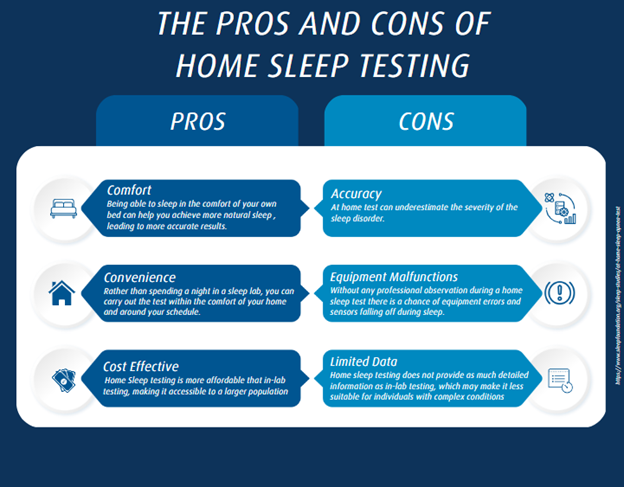
If you suspect sleep apnea, the first step is talking to your healthcare provider. Common symptoms include loud snoring, breathing pauses, morning headaches, and daytime fatigue10. Diagnosis can be done through these diagnostic options:
- In-lab sleep study, also known as a polysomnography
- Home sleep test: A convenient alternative for many qualifying patients
Both testing methods will measure breathing patterns, oxygen levels, and heart activity during sleep. Early detection is critical for preventing long-term heart damage.
Taking the Next Step Toward Protecting Your Heart
Sleep apnea is more than a sleep issue; it can be a heart health issue. If you have symptoms or existing cardiovascular conditions, don’t wait. Speak with your healthcare provider about screening and treatment options. Consistent therapy may help improve quality of sleep, stabilize blood pressure, and reduce strain on your cardiovascular system. Start by tracking symptoms, involving your partner or caregiver, and asking whether a sleep study is right for you.
Better sleep isn’t just about feeling rested, it’s about protecting your heart health.
Disclaimer: The information provided in this blog is intended for educational and informational purposes only. It should not be considered as a substitute for professional medical advice, diagnosis, or treatment. Always seek the guidance of your healthcare provider with any questions you may have regarding medical condition or treatment.
1. https://www.mayoclinic.org/diseases-conditions/sleep-apnea/symptoms-causes/syc-20377631/
2. https://www.heart.org/en/health-topics/sleep-disorders/sleep-apnea-and-heart-disease-stroke/
3. https://www.hopkinsmedicine.org/health/wellness-and-prevention/the-dangers-of-uncontrolled-sleep-apnea/
4. https://www.uptodate.com/contents/obstructive-sleep-apnea-and-cardiovascular-disease-in-adults/
5. https://www.uptodate.com/contents/obstructive-sleep-apnea-and-cardiovascular-disease-in-adults/
6. https://www.thoracic.org/patients/patient-resources/resources/obstructive-sleep-apnea-and-heart.pdf
7. https://www.ahajournals.org/doi/10.1161/JAHA.123.033810/
8. https://www.sleepquest.com/cpap-and-heart-failure/
9. https://www.medicine.net/news/Cardiovascular_Diseases/CPAP-helps-cut-heart-risks-but-you-have-to-actually-use-it.html
10. https://www.sleepfoundation.org/sleep-apnea/obstructive-sleep-apnea/