Recognizing the Early Signs of Sleep Apnea: When to Seek Help
Sleep is essential to our overall health, yet millions of Americans unknowingly suffer from sleep apnea, a condition that disrupts breathing during sleep and can lead to serious health consequences if left untreated1. Early recognition of sleep apnea symptoms is critical, as timely intervention may dramatically improve an individual’s health-related quality of life and may reduce the risk of long-term complications2.
Unfortunately, many individuals remain undiagnosed, often dismissing symptoms as mere fatigue or poor sleep habits. This delay in diagnosis can contribute to worsening health-related outcomes, including cardiovascular issues, cognitive decline, and metabolic disorders3.
At Lincare, we understand the importance of early detection and support. Through our sleep services, we support patients through every stage of their journey, from initial education and testing to therapy and equipment management.
Once your provider prescribes sleep therapy, we provide a full spectrum of support services, including:
- Flexible Setup Options: In-office, in-home, and virtual setups tailored to meet patients where they are.
- Personalized Mask Fitting: Ensuring comfort and effectiveness from the start with a proper mask fit from the wide array of manufacturer mask options offered.
- Continuous Education: Empowering patients with knowledge to understand and manage their condition.
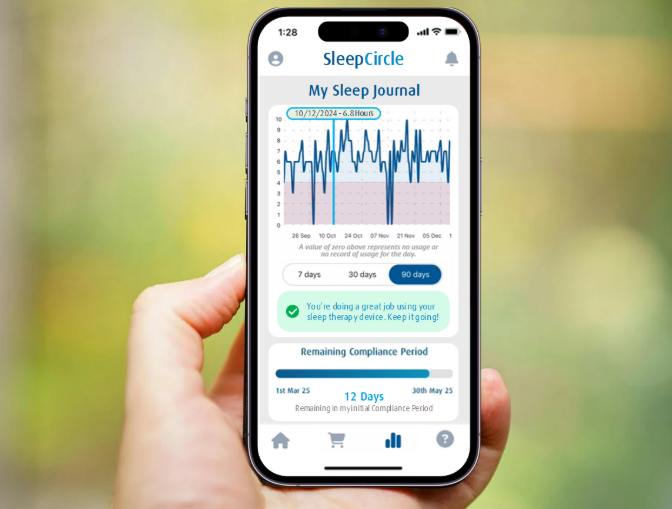
- Sleep Circle® Mobile App: Our innovative sleep management app offers patients a convenient way to monitor progress, measure adherence monitoring, access resources, and stay connected with their team for reorders and support.
What Is Sleep Apnea?
Sleep apnea is a sleep disorder characterized by repeated interruptions in breathing during sleep. There are two primary types:
- Obstructive Sleep Apnea (OSA): The most common sleep-related breathing disorder, caused by a blockage in the airway, typically when throat muscles relax too much during sleep. This leads to repeated pauses in breathing, which can prevent the brain and body from receiving enough oxygen. OSA is a serious condition that increases the risk of other health issues due to disrupted sleep and reduced oxygen levels4.
- Central Sleep Apnea (CSA): Occurs when the brain fails to send proper signals to the muscles that control breathing, which may cause repeated pauses in breathing throughout the night. Unlike OSA, CSA is not typically associated with snoring5.
What are Common Risk Factors?
Sleep apnea is widespread and often an overlooked condition. It is estimated 22 million Americans, with up to 85% remaining undiagnosed6, highlighting the need for increased awareness and early screening.
Common risk factors may include:
- Excess weight (BMI >30)
- Large neck circumference
- Male gender
- Age over 40
- Narrowed airway: Enlarged tonsils or adenoids can block airflow, especially in children
- Alcohol or sedative use
- Smoking
- Nasal congestion
- Hypertension and other cardiovascular conditions
What are the Common Early Signs & Symptoms?
Recognizing the signs of sleep apnea early is important for timely diagnosis. Sleep apnea often goes undetected because its symptoms can be mistaken for other conditions or dismissed as general fatigue. However, being aware of the key indicators can help individuals seek medical attention sooner, potentially preventing more serious health complications. Some of the most common symptoms associated with sleep apnea may include7:
Nightime Indicators:
- Loud, chronic snoring
- Breathing pauses observed by a partner
- Gasping or choking during sleep
- Restless tossing and turning
Daytime Symptoms:
- Excessive daytime sleepiness
- Morning headaches
- Dry mouth upon waking
- Mood changes or irritability
- Difficulty concentrating or memory issues
Subtle Signs:
- Insomnia or frequent awakenings
- Waking up feeling unrefreshed
- Nighttime chest discomfort
Monitoring your sleep and involving a partner or caregiver can provide valuable insights. Keeping a sleep log and noting observed symptoms can help your healthcare provider better understand your sleep patterns and guide your care.
What Are Potential Health Risks of Undiagnosed Sleep Apnea?
Untreated sleep apnea is more than just disrupted sleep; it may lead to serious and potentially life-threatening health complications8. When breathing repeatedly stops during sleep, oxygen levels drop and stress hormones surge, placing strain on multiple systems in the body.
Untreated sleep apnea may significantly increase the risk of9:
- High blood pressure
- Stroke
- Heart disease and arrhythmia
- Type 2 diabetes
- Obesity
- Cognitive decline and memory loss
Recent studies reveal a significant connection between untreated sleep apnea and brain health, an issue we explored in depth in a recent article.
When to Talk to Your Healthcare Provider
Certain symptoms should prompt immediate medical attention:
- Witnessed apneas (breathing stops during sleep)
- Loud snoring with gasping or choking
- Daytime sleep attacks or extreme fatigue
- Morning headaches or chest pain
Diagnostic Steps:
- Epworth Sleepiness Scale: Self-administered questionnaire designed to evaluate an individual's level of daytime sleepiness. It is commonly used as a preliminary screening tool to aid in the diagnosis of sleep apnea.
- Sleep Study: Conducted in a lab or at home to monitor breathing, oxygen levels, and sleep stages.
- Overnight Oximetry: Measures oxygen saturation during sleep.
- Consultation: A sleep specialist can interpret results and recommend treatment.
Potential Questions to Ask Your Provider:
- Should I get a sleep study?
- Is a home sleep test appropriate?
- What type of sleep apnea do I have?
- What treatment options are available?
Taking the First Step Toward Better Sleep
If you recognize any of the signs mentioned above, don’t wait. Talk to your doctor about a sleep evaluation.
Simple Next Steps:
- Start to keep a sleep log
- Involve your partner in symptom tracking
- Take the Epworth Sleepiness Scale questionnaire to better understand your sleep health
- Ask your provider about screening options
- Discuss therapy equipment and support services
Sleep apnea is treatable, and help is available. Lincare offers comprehensive therapy options including CPAP and Bilevel PAP to help you breathe easier and sleep better.
Your journey to better sleep starts with awareness. Don’t ignore the signs, take action today and reclaim your rest, health, and vitality.
Disclaimer: The information provided in this blog is for informational purposes only and is not intended as medical advice. Always consult with a qualified healthcare professional regarding any questions or concerns about your health or treatment.
1. https://www.hopkinsmedicine.org/health/wellness-and-prevention/the-dangers-of-uncontrolled-sleep-apnea/
2. https://www.sleepandsinuscenters.com/blog/when-was-sleep-apnea-discovered/
3. https://breatheworks.com/the-health-risks-of-untreated-sleep-disorders-why-you-shouldnt-ignore-the-warning-signs/
4. https://www.sleepfoundation.org/sleep-apnea/obstructive-sleep-apnea/
5. https://www.sleepfoundation.org/sleep-apnea/obstructive-sleep-apnea/
6. https://my.clevelandclinic.org/health/diseases/8718-sleep-apnea/
7. https://www.mayoclinic.org/diseases-conditions/sleep-apnea/symptoms-causes/syc-20377631/
8. https://my.clevelandclinic.org/health/diseases/24443-obstructive-sleep-apnea-osa/
9. https://www.hopkinsmedicine.org/health/wellness-and-prevention/the-dangers-of-uncontrolled-sleep-apnea/