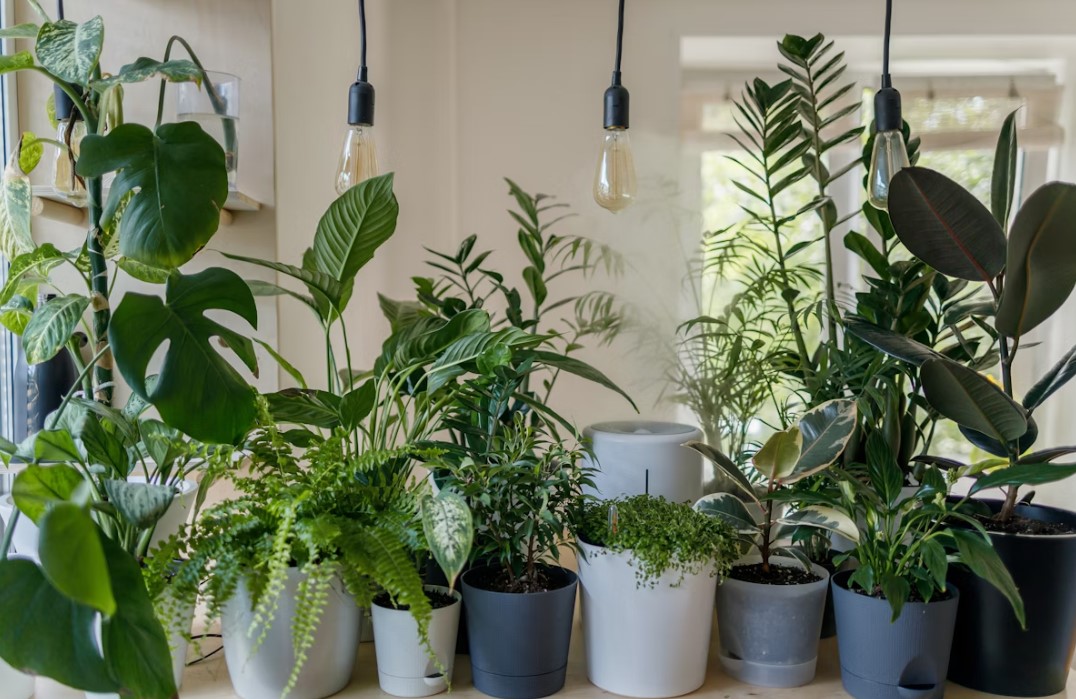
The Science Behind Air-Purifying Plants
Research shows that certain indoor plants can help reduce volatile organic compounds (VOCs) like benzene, formaldehyde, and toluene—common indoor pollutants linked to respiratory irritation.1 This process, known as phytoremediation, allows plants to absorb and break down toxins through their leaves, roots, and even the microorganisms in their soil. While plants alone may not replace mechanical air filtration, they can complement indoor air quality efforts by2:
- Increasing humidity, which soothes dry airways
- Absorbing carbon dioxide and releasing oxygen
- Reducing airborne toxins in small, enclosed spaces1
Best Houseplants for Respiratory Wellness
Here are some of the most effective and easy-to-care-for houseplants that may benefit respiratory-compromised individuals3:
1. Snake Plant (Sansevieria trifasciata) |
|
 |
|
| 2. Peace Lily (Spathiphyllum) | |
 |
|
| 3. Areca Palm (Dypsis lutescens) | |
 |
|
| 4. Spider Plant (Chlorophytum comosum) | |
 |
|
| 5. Aloe Vera | |
 |
|
Why This Matters for Oxygen & CPAP Users
Patients using oxygen concentrators or CPAP therapy may experience:
- Dry nasal passages
- Increased sensitivity to airborne irritants
- Disrupted sleep due to poor air quality
Adding houseplants may help with:
- Improve sleep by increasing nighttime oxygen levels.4
- Soothe airways with added humidity
- Reduce exposure to indoor pollutants that may trigger symptoms
Tips for Safe Plant Use
- Avoid overwatering to prevent mold
- Dust leaves regularly to maintain effectiveness
- Choose non-toxic plants if you have pets or children5
- Place plants near windows or air vents for optimal airflow.
While houseplants aren’t a cure-all, they’re a beautiful, natural way to support a healthier home, especially for those managing respiratory conditions. With the right care and placement, they may help you breathe a little easier, one leaf at a time.
Disclaimer: Before introducing any plants into your home, please ensure you do not have allergies to them. It is recommended to consult with your healthcare provider to determine what is safe for your environment and health needs.
1 https://positivebloom.com/houseplants-that-purify-air-silently-and-ones-that-pollute-it-instead/
2 https://greenwoodplants.co.uk/blog/phytoremediation-how-plants-clean-our-environment/
3 https://elitecarehc.com/blog/6-indoor-plants-for-easy-breathing-this-summer/
4 https://1stclassmed.com/the-best-indoor-plants-for-copd-patients-clean-air-without-the-allergens/
5 https://aerospheremonitoring.com/blogs/news/the-best-air-purifying-plants-safe-for-moms-and-babies/