Your Whole Health: Lincare Learning Center
March 05, 2026
An Informational Guide to Spring Gardening for Individuals with Respiratory Conditions

Spring gardening can be safe and enjoyable for people with respiratory challenges. Discover tips to reduce pollen, mold, and soil risks while protecting your breathing this season.
READ MOREFebruary 09, 2026
Why Sleep Matters for Lung Health

Discover how quality sleep may support respiratory health, improve breathing, and reduce nighttime symptoms for better overall wellness.
READ MOREJanuary 19, 2026
The 4 P’s of Winter: How to Stay Safe & Healthy This Season

Winter can be beautiful, but for those with respiratory conditions, it brings unique challenges. Cold air, dry indoor environments, and seasonal illnesses can make breathing harder and may increase health risks. To help you prepare, remember the 4 P’s of Winter: People, Pets, Pipes, and Plants. These simple precautions can protect your health and home during the colder months.
READ MOREJanuary 12, 2026
Questions to Ask Your Doctor About Oxygen Therapy

If your blood oxygen saturation is consistently low due to a respiratory condition, your healthcare provider doctor may recommend supplemental oxygen therapy. Low oxygen levels, known as hypoxemia, can make it harder for your body to function properly1. Common symptoms may include shortness of breath, fatigue, confusion, rapid breathing, and bluish discoloration around the lips or fingertips2. Asking questions during your appointment is essential. It helps you understand your diagnosis, treatment options, and how oxygen therapy may improve your comfort, safety, and health-related quality of life.
READ MOREDecember 29, 2025
Nutrition Tips for Lung Health

Discover how a balanced diet supports lung function, reduces inflammation, and boosts energy for managing conditions like COPD, asthma, and pulmonary fibrosis.
READ MOREOctober 29, 2025
Breathe Easier: How Houseplants May Support Respiratory Health at Home
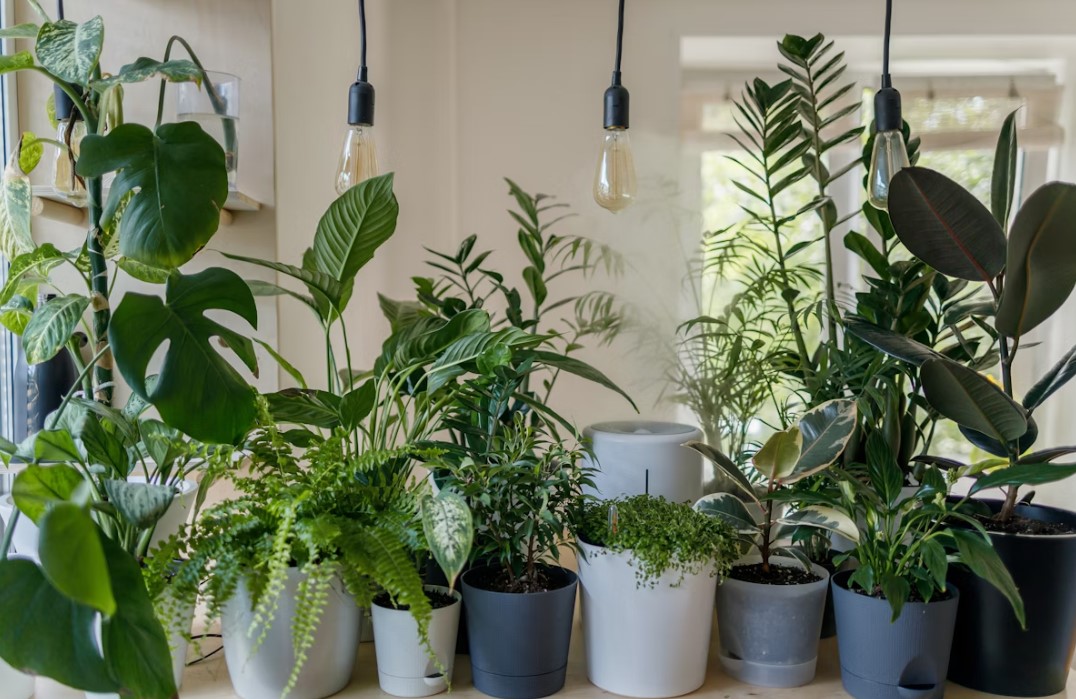
For individuals managing chronic respiratory conditions such as COPD, asthma, or sleep apnea, indoor air quality is more than a comfort issue; it’s a health priority. Patients using oxygen therapy or CPAP machines may spend extended time indoors, where air pollutants can exacerbate symptoms. Fortunately, nature offers a beautiful and low-maintenance solution: air-purifying houseplants.
READ MOREAugust 15, 2025
Breathe Easier: How to Track Wildfires & Air Quality with AirNow

As wildfires become more frequent and intense across the U.S., patients with respiratory conditions like COPD, asthma, and sleep apnea face increased health risks. Smoke from wildfires contains fine particles and harmful gases that can aggravate breathing problems, trigger flare-ups, and reduce oxygen levels. That’s why staying informed about air quality is more important than ever.
READ MOREAugust 26, 2024
How to Clean & Maintain Your Nebulizer for Optimal Performance
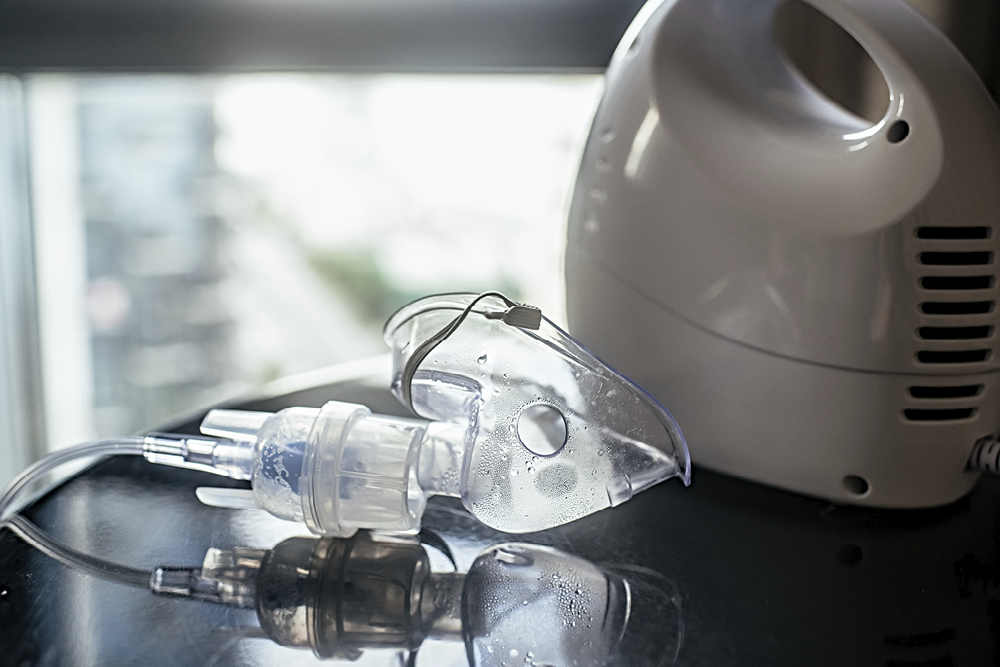
Learn the easy steps to take to clean your nebulizer supplies for optimal performance. Keep your nebulizer in top condition with these cleaning tips
READ MOREMay 03, 2024
Ways to Improve Indoor Air Quality for Better Respiratory Health

Indoor air quality plays a significant role in our respiratory health. Poor air quality can contribute to various respiratory issues, from allergies and asthma to more serious conditions like COPD.1 Fortunately, there are several ways you can improve the air quality in your home to promote better respiratory health.
READ MOREApril 26, 2023
Asthma: 5 Tips to Make Nebulizer Therapy Fun for Kids

As a parent, it is never easy to see your child struggling to breathe.
READ MOREApril 21, 2023
Oxygen Conserving Devices: Innovations in Oxygen Therapy

An oxygen conserving device (OCD) regulator is a medical device that attaches to an oxygen tank and can help patients conserve the amount of oxygen they are using in place of a traditional oxygen flow regulator. OCDs are particularly useful for people with respiratory illnesses such as Chronic Obstructive Pulmonary Disease (COPD), asthma, or other lung diseases that affect the body’s ability to take in oxygen.
READ MORE