Your Whole Health: Lincare Learning Center
March 05, 2026
An Informational Guide to Spring Gardening for Individuals with Respiratory Conditions

Spring gardening can be safe and enjoyable for people with respiratory challenges. Discover tips to reduce pollen, mold, and soil risks while protecting your breathing this season.
READ MOREFebruary 24, 2026
Finding Strength in the Journey: The Emotional Side of Sleep Apnea & COPD

Supportive guide exploring the emotional impact of COPD and sleep apnea, offering coping strategies for patients and caregivers to improve well-being, confidence, and health-related quality of life.
READ MOREFebruary 09, 2026
Why Sleep Matters for Lung Health

Discover how quality sleep may support respiratory health, improve breathing, and reduce nighttime symptoms for better overall wellness.
READ MOREFebruary 02, 2026
Adapting Your Home for Oxygen Therapy
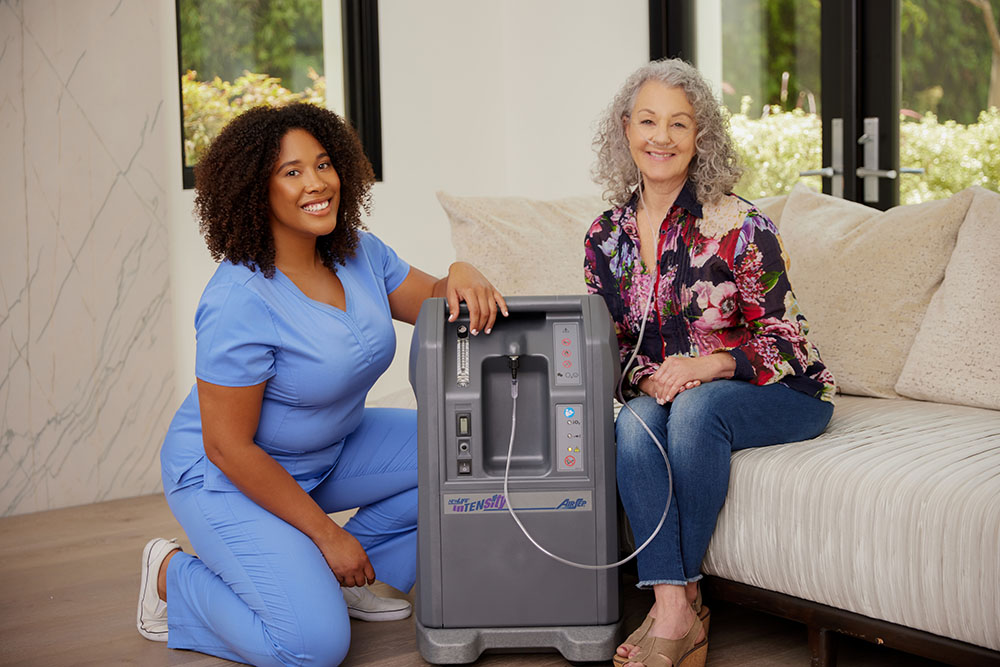
Learn how to safely set up and use oxygen therapy at home. Get practical tips to reduce risks, stay comfortable, and support daily independence with Lincare.
READ MOREJanuary 19, 2026
The 4 P’s of Winter: How to Stay Safe & Healthy This Season

Winter can be beautiful, but for those with respiratory conditions, it brings unique challenges. Cold air, dry indoor environments, and seasonal illnesses can make breathing harder and may increase health risks. To help you prepare, remember the 4 P’s of Winter: People, Pets, Pipes, and Plants. These simple precautions can protect your health and home during the colder months.
READ MOREJanuary 12, 2026
Questions to Ask Your Doctor About Oxygen Therapy

If your blood oxygen saturation is consistently low due to a respiratory condition, your healthcare provider doctor may recommend supplemental oxygen therapy. Low oxygen levels, known as hypoxemia, can make it harder for your body to function properly1. Common symptoms may include shortness of breath, fatigue, confusion, rapid breathing, and bluish discoloration around the lips or fingertips2. Asking questions during your appointment is essential. It helps you understand your diagnosis, treatment options, and how oxygen therapy may improve your comfort, safety, and health-related quality of life.
READ MOREDecember 29, 2025
Nutrition Tips for Lung Health

Discover how a balanced diet supports lung function, reduces inflammation, and boosts energy for managing conditions like COPD, asthma, and pulmonary fibrosis.
READ MOREDecember 18, 2025
Low Oxygen Levels at Night

Nocturnal hypoxemia refers to a drop in blood oxygen levels during sleep1. While slight dips are normal, persisents or severe drops can signal underlying health issues. Oxygen saturation below 90% during sleep is considered abnormal and may lead to complications if untreated2.
READ MOREOctober 29, 2025
Breathe Easier: How Houseplants May Support Respiratory Health at Home
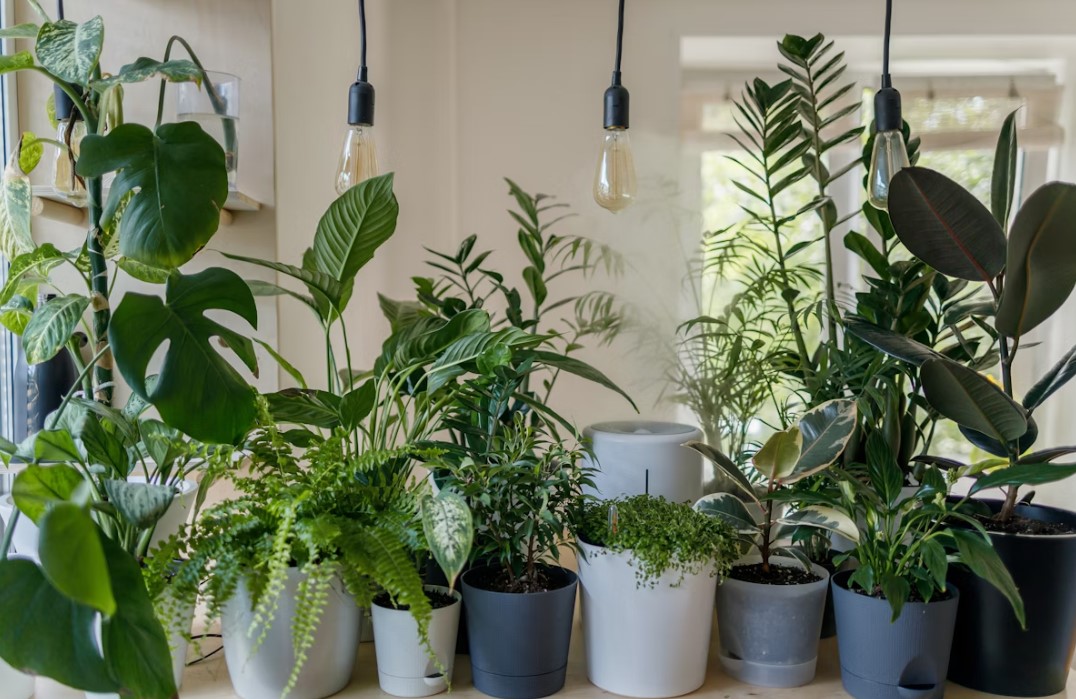
For individuals managing chronic respiratory conditions such as COPD, asthma, or sleep apnea, indoor air quality is more than a comfort issue; it’s a health priority. Patients using oxygen therapy or CPAP machines may spend extended time indoors, where air pollutants can exacerbate symptoms. Fortunately, nature offers a beautiful and low-maintenance solution: air-purifying houseplants.
READ MOREAugust 15, 2025
Breathe Easier: How to Track Wildfires & Air Quality with AirNow
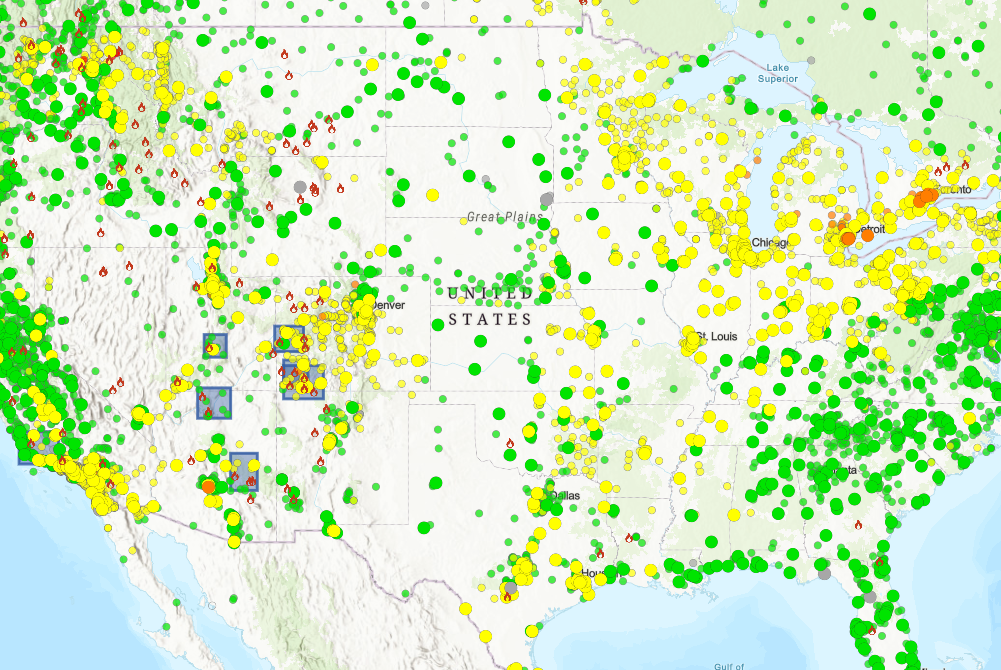
As wildfires become more frequent and intense across the U.S., patients with respiratory conditions like COPD, asthma, and sleep apnea face increased health risks. Smoke from wildfires contains fine particles and harmful gases that can aggravate breathing problems, trigger flare-ups, and reduce oxygen levels. That’s why staying informed about air quality is more important than ever.
READ MOREJune 16, 2025
Understanding How to Navigate Heat & Humidity When Living with COPD

As summer approaches, the rising temperatures and increased humidity can pose significant challenges for individuals living with respiratory conditions like Chronic Obstructive Pulmonary Disease (COPD). It’s essential to take proactive measures to manage your condition effectively during the hotter months.
READ MOREAugust 26, 2024
How to Clean & Maintain Your Nebulizer for Optimal Performance
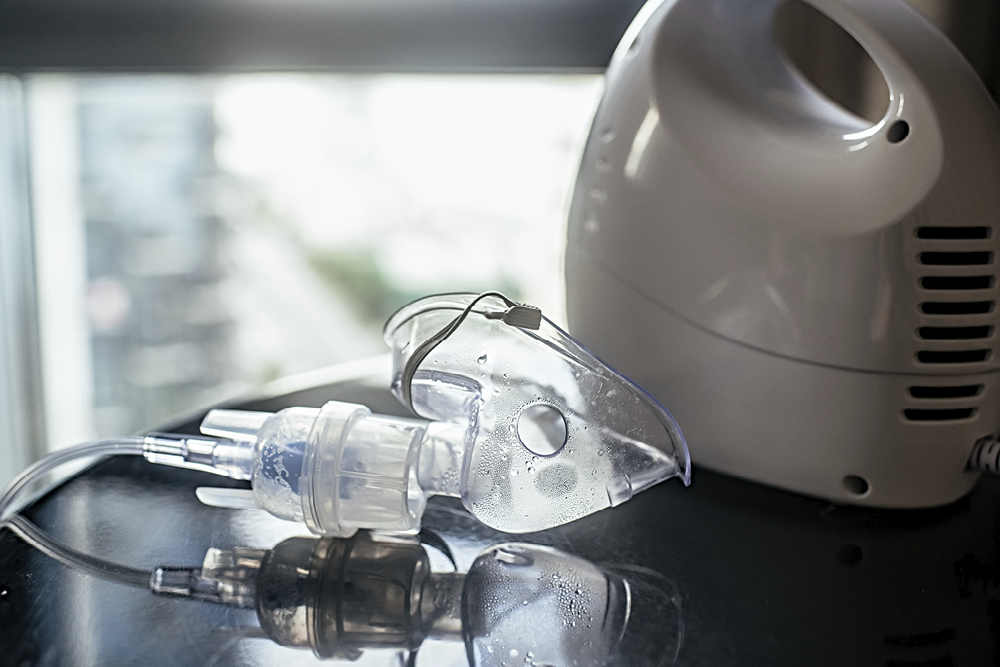
Learn the easy steps to take to clean your nebulizer supplies for optimal performance. Keep your nebulizer in top condition with these cleaning tips
READ MOREAugust 20, 2024
Breathing Easier: A Guide to Quitting Smoking with COPD
Learn tips and tools to help you quit smoking with COPD. Start your journey towards better lung health today.
READ MOREMay 03, 2024
Ways to Improve Indoor Air Quality for Better Respiratory Health

Indoor air quality plays a significant role in our respiratory health. Poor air quality can contribute to various respiratory issues, from allergies and asthma to more serious conditions like COPD.1 Fortunately, there are several ways you can improve the air quality in your home to promote better respiratory health.
READ MORENovember 08, 2023
Dealing with COPD During Cold Weather: Tips & Strategies
Chronic Obstructive Pulmonary Disease (COPD) is a chronic respiratory illness that affects the lungs, causing breathing difficulties and other respiratory symptoms. People with COPD often experience exacerbations or flare-ups during the cold weather. If you or someone you know is living with COPD, here are some tips and strategies to help cope with the condition during the cold months.
READ MORENovember 02, 2023
Spirometry Testing: Understanding the Basics
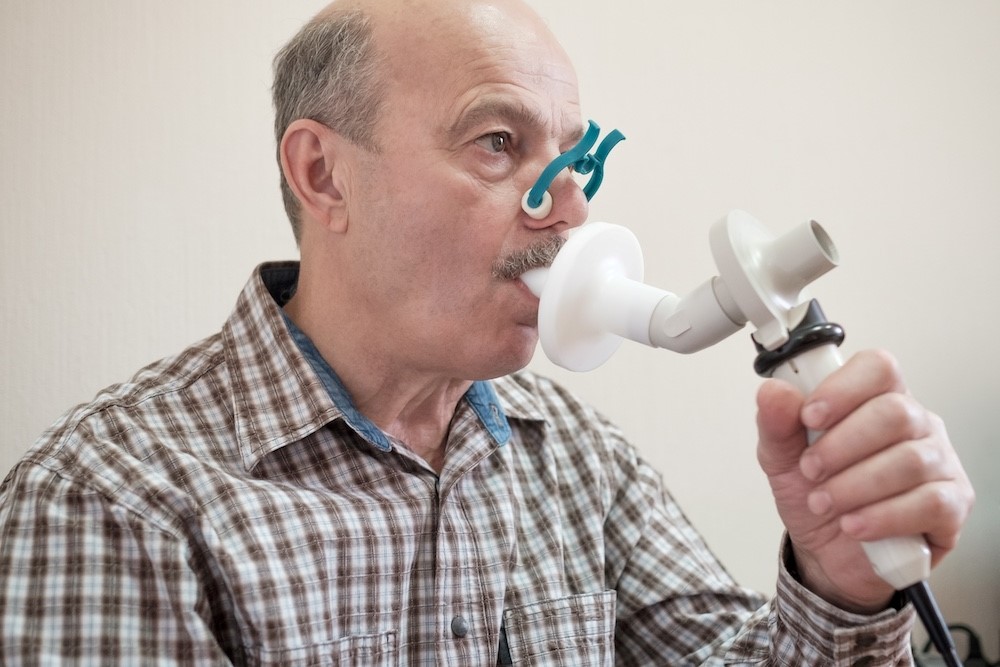
If you have ever gone to the doctor with a respiratory ailment, chances are that you have undergone spirometry testing. Spirometry is a simple and widely used tool for assessing lung function. In this article, we will explore what spirometry testing is, how it is performed, and its significance in managing lung health.
READ MOREOctober 17, 2023
Get To Know Your Equipment: Oxygen Concentrator

Oxygen Concentrators are medical devices that may be rented or sold and require a valid prescription1. Whether you are a medical professional or someone in need of supplemental oxygen, it is important to understand the basics of oxygen concentrator equipment. Here we will provide a beginner's guide to the oxygen concentrator.
READ MOREOctober 02, 2023
COPD Awareness - Understanding the 4 Stages of COPD

Chronic obstructive pulmonary disease, or COPD, refers to a group of diseases that cause airflow blockage and breathing-related problems. It includes emphysema and chronic bronchitis. COPD affects approximately 16 million Americans.1 It is essential to understand the different stages of COPD to identify the disease progression, manage symptoms effectively, and receive appropriate care.
READ MOREMay 19, 2023
Advantages of Non-Invasive Ventilation

Chronic respiratory failure is a condition that makes it difficult for your body to maintain normal oxygen and carbon dioxide levels. Many diseases may contribute to chronic respiratory failure, including chronic obstructive pulmonary disease (COPD), thoracic restrictive diseases (TRD), and neuromuscular diseases (NMD). Non-invasive ventilation may assist with minimizing symptoms associated with these respiratory disorders and assist with improving your health-related quality of life.
READ MOREApril 21, 2023
Oxygen Conserving Devices: Innovations in Oxygen Therapy

An oxygen conserving device (OCD) regulator is a medical device that attaches to an oxygen tank and can help patients conserve the amount of oxygen they are using in place of a traditional oxygen flow regulator. OCDs are particularly useful for people with respiratory illnesses such as Chronic Obstructive Pulmonary Disease (COPD), asthma, or other lung diseases that affect the body’s ability to take in oxygen.
READ MORECOPD Awareness - Close the Communication Gap

Communication is key to closing the gap between healthcare providers and patients.
READ MORECOPD Awareness - Here are the Facts
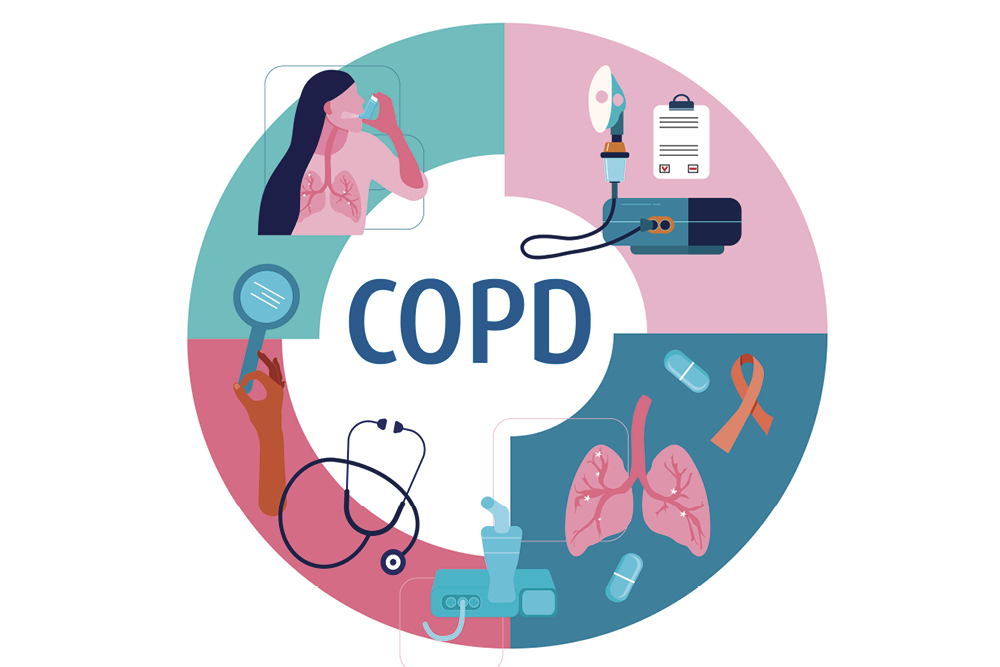
Chronic Obstructive Pulmonary Disease (COPD) is a chronic inflammatory disease that blocks airflow in your lungs. It makes breathing difficult and can prevent your body from getting the oxygen it needs.
READ MORECOPD Awareness - Identifying Symptoms & Risk Factors

The symptoms of COPD are usually constant and can slowly progress over many years. Learn about the common symptoms and risk factors of COPD.
READ MORECoughing Up Blood with Mucus

A simple cough during your day hardly warrants a second thought but coughing up blood with mucus should give you pause. It can be a frightening experience, especially if it has never happened to you before.
READ MOREEating Well with COPD

Individuals with COPD can receive several benefits from proper nutrition. Depending on your condition, it can also influence the severity of COPD, so be sure to ask your practitioner which foods are best for you. Changing your eating habits will not cure COPD, but it can help you feel better mentally and physically.
READ MOREHome Oxygen Therapy: What You Need to Know

Home oxygen therapy is an effective therapy option for a variety of chronic respiratory conditions.
READ MOREThe Benefits of Pulmonary Management in Long-Term Care
Patients with respiratory conditions such as chronic obstructive pulmonary disease (COPD) or emphysema often enter long-term care (LTC) facilities to receive the support they need.
READ MOREWhat Is COPD & How Do I Manage It?
Keeping your COPD under control requires ongoing effort. Fortunately, there are several effective ways to manage it.
READ MORE